Musk’s actions with Twitter, particularly his recent reinstatement of several unapologetic violators of Twitter’s Terms of Service, like Trump, Ye, and Petersen, leaves one with no choice but to think Musk believes in, and desires to amplify, racism, anti-Semitism, trans and homophobia, and authoritarian conservatism. Or, perhaps, he’s simply a nihilist.

Either way, Musk’s full throated claims of belief in unfettered free speech and the marketplace of ideas, is belied by his history of retaliation against those who speak up against him, whether they be employees, bloggers, or journalists.
The oft used phrase “free speech” has become a meaningless aphorism, used to quell societal condemnation of terrible and cruel ideologies, when the concept’s initial intent was to rein in governmental power, and ensure a people and press free to speak truth to power.
Musk’s use of the Latin phrase, vox populi, vox Dei—the voice of the people, is the voice of god—certainly sounds erudite, but it does not make him right, particularly when the quote has been truncated from its original meaning. Context is, after all, everything, and the entirety of the quote, written by Alcuin to Charlemagne in 798, reads:
Nec audiendi qui solent dicere, Vox populi, vox Dei, quum tumultuositas vulgi semper insaniae proxima sit.
And those people should not be listened to who keep saying the voice of the people is the voice of God, since the riotousness of the crowd is always very close to madness.
With time, the shorter vox populi, vox Dei, has come to mean something akin to “public opinion,” or “majority opinion.” However, Alcuin’s warning holds true, as we have seen these last few years—the riotousness of the crowd has, indeed, often been madness.
The Founders too were wary of this, and thus one part of the rationale for the electoral college, was as a stop gap against an uneducated mob being manipulated into electing a tyrant. Debate as to the “rightness” of such a concept notwithstanding, that fear has been borne out in the recent history of several nations. While democracy should be the voice of the people, and elections should reflect the will of the majority, our own system in the U.S. has five times resulted in the swearing in of a president who lost the popular vote, twice in the last two decades alone. Our system of checks and balances, however, was intended to curtail potential tyranny, and while recent years have seen that system sorely tested, those bulwarks held.
Of course, those bulwarks depend upon the good intentions of all participants and leaders, and as the last few years have shown, those checks and balances erode under the machinations of ill intentioned parties intent on serving and maintaining power, instead of serving the people.
An additional bulwark against tyranny was made paramount in our Bill of Rights, enshrined in the First Amendment. I won’t cite all the Founders’ quotes about the importance of free speech and a free press, or the necessity thereof to liberty and security, but those concepts were of great importance in their thinking. These free speech protections, however, were meant to prevent government from silencing critics, or suborning the truth regarding its actions. These protections did not, and do not, apply to non-governmental, or social, determinations of what speech to allow, or curtail, or what platforms to provide.
I digressed into that instruction, because “freedom of speech” is used of late in response to every criticism, outcry against, or curtailment of vulgar, hate or lie filled speech, and thus, as noted above, the phrase has been rendered almost meaningless—a pithy, worthless reply to criticism of bigoted vulgarity, hatred, and lies, meant to silence critics and detractors, and shut down debate without substantively supporting the initial claims made. Those, like Musk, who support such entirely unfettered speech, claim that the marketplace of ideas, and meaningful debate will defeat such malice.
Perhaps, with time, or in a perfect world, ugly and dangerous concepts like racism, anti-Semitism, and other bigotries can be defeated in the marketplace of ideas, but this idealistic system takes no account of the ensuing and ongoing damage to minorities and at risk people. It is invariably championed by those least likely to be damaged by it, those who are most privileged in a society. In the U.S., that is predominantly cisgendered, heterosexual, White males. Furthermore, for the “marketplace of ideas” and unfettered speech to work, assumptions must be made that are simply unrealistic, at least in today’s world.
First, is the assumption that there is full, educated public participation—without which there cannot be a robust exchange of ideas—and that the “speech” is, for lack of a better word, honest, or free of influence by special interest groups, corporate media, or political groups. It also presumes people have the education, critical thinking skills, or simply the time, to sift through falsehoods, misinformation, and propaganda. It assumes that consumers of information want, or are willing to engage in, such a constant level of participation, instead of an opportunity to read or listen, and simply digest information from vetted and reliable sources—sources that are held accountable for their mis/disinformation.
More importantly, it assumes that said marketplace actually works to stamp out awful ideas and ideologies, or that rigorous debate will curb them. If that were true, we wouldn’t still be dealing with systemic racism, misogyny, homophobia, and more. If anything, the history of racism alone in this country puts paid to the idea that such a marketplace, in and of itself, works to quash dangerous ideas. Instead, we see that racism rises and falls in relation to political and economic winds, driven by, natch, pernicious speech.
Finally, it also assumes that minorities, and those most affected by, and at risk from, the effects of dangerous speech and ideologies, are on a level playing field in their size, reach, and power, not only with respect to countering substantive arguments, or disinformation and propaganda, but often also while countering both real world and online harassment, threats, and sometimes, actual physical attacks.
There are various pieces of legislation to protect minorities, but they alone have not stamped out bigotry. Rather, societal condemnation and backlash, have often been equally effective deterrents against such hateful speech, or actions, and both are most effective when used together. Speech to counter hate and bigotry is, obviously, necessary, but so too are social mores, attitudes, and pressure. Our constitutional free speech rights protect any of us from undue governmental interference, they do not, nor should they, create blanket protection from social condemnation, recrimination, and consequence. Moreover, those rights do not mean we are entitled to non-governmental platforms from which to spew such ugliness, and more importantly, those rights do not require any of us to countenance racism, homophobia, misogyny, transphobia, Islamophobia, or anti-Semtism, particularly in our communities of gathering and discourse.
If vox populi, vox Dei was a maxim that should be unquestionably followed—without regard to right or wrong, morality, or human rights—the Civil Rights Act would never have passed (indeed, the Supreme Court would be unnecessary altogether). Instead, it took violence against protesters, violence against Black and brown bodies, where the brutality of White supremacists and racists against members of the Civil Right Movement was broadcast across the nation on television, thereby horrifying and shaming people into shifting their views on equality. A shift seen in polling data regarding the Civil Rights Movement and Civil Rights Act of 1964, between 1961 and 1965. If a robust, un-moderated, unfettered exchange of ideas alone worked, bodies would not have lain bloodied on a bridge in Selma, and Martin Luther King, Jr. might still be alive.
Passing the Civil and Voting Rights Acts of 1964 and 1965, required speech, of course, but also time, legislation (often unpopular legislation), and social pressure to shift American views on race, at least to a point—because while we elected a Black president in 2008, we also continue to deal with an ongoing legacy of violence against Black bodies under color of authority.
Yet, within one election cycle, and thanks to platforms allowing unfettered speech—which included intentional lies and disinformation, and outright bigotry of all forms, and was not provided in an honest, robust, and educated marketplace of ideas—as well as the failure of many others in our press to speak truth to power, the tides of racism and other bigotries in this country shifted once again. The last several years have seen a rise in racial, religious, and LGBTQ+ hate crimes, and there is a direct relationship to the type of hate speech, bigotry, and stochastic terrorism that is being given platforms (and the sheen of a political legitimacy), that Musk now intends to give free rein to. In short, the free marketplace of ideas and unfettered speech is not working well, unless of course your aim is the rise of such discord and violence.
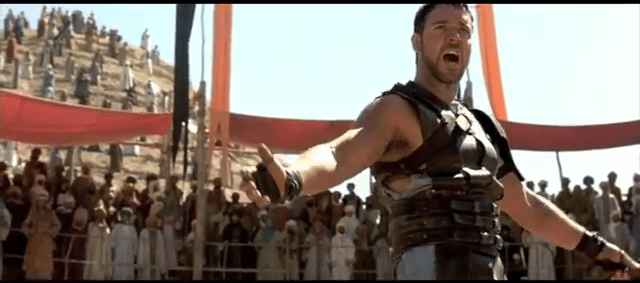
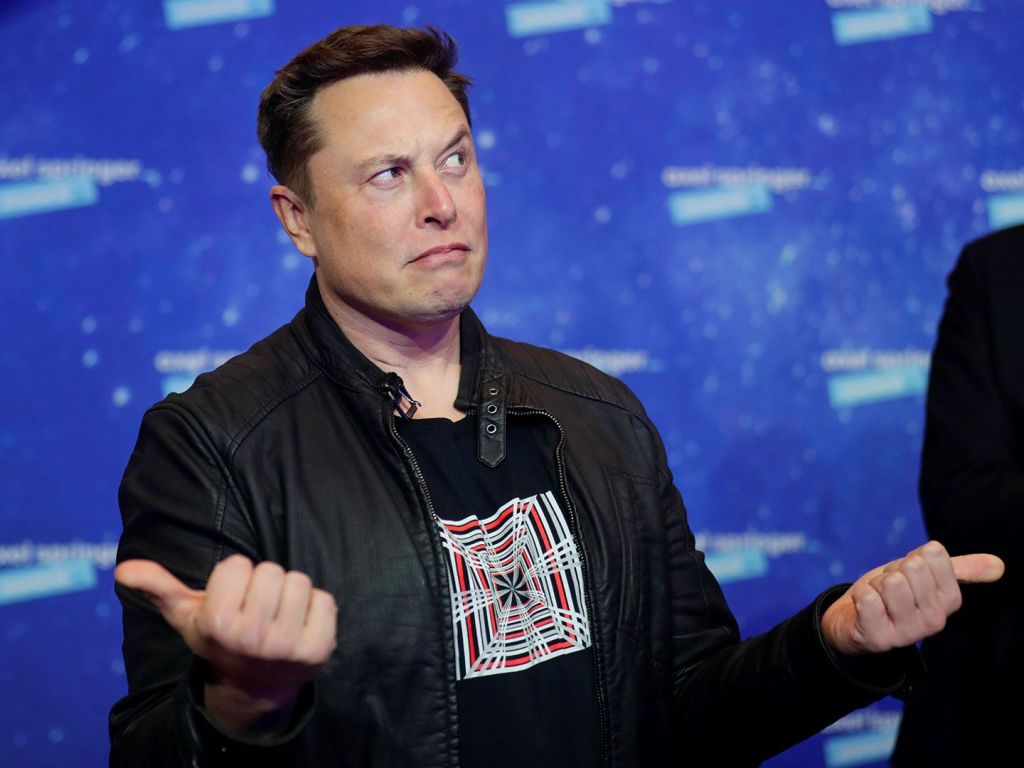
Elon Musk can pretend to care about free speech, but as a reasonably intelligent man, he knows exactly what allowing the likes of Trump, Ye, or Petersen to spew their garbage thoughts onto one of the largest platforms of speech across the globe will do. Musk’s Twitter poll, and subsequent vox populi, vox Dei, about allowing Trump back on, is nothing more than Musk showboating. It is cynical, intentional theater, and much like Gladiator’s ahistorical use of the thumbs up, it is meant to both appease and rile the mad crowd Acuin warned Charlemagne about.

 Musings of a Restless Mind